South Korea to Accelerate Restart of Six Nuclear Reactors for Energy Supply Security
South Korea’s power mix is highly reliant on nuclear energy, natural gas and coal, with the vast majority of its fossil fuels (natural gas and coal) imported. Amid ongoing geopolitical developments, international oil and gas prices have seen sharp fluctuations. A prolonged period of high oil prices or disruptions to liquefied natural gas (LNG) imports would inevitably impact South Korea’s power market.
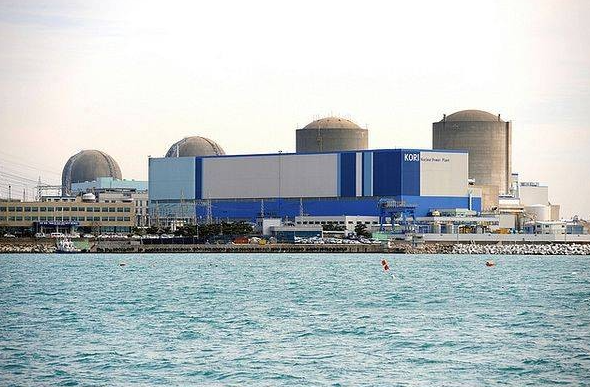
According to a government statement, South Korea currently has 15 nuclear reactors in commercial operation. The authorities plan to restart the Shin Wolsong 1 and Kori 2 reactors this month, followed by the Hanbit 6, Hanul 3, Wolsong 2 and Wolsong 3 reactors by mid-May.
Information in this article is reproduced from cooperative media, institutions or other websites for the sole purpose of disseminating more information, and does not imply endorsement of its views or confirmation of the authenticity of its content. All information on this website is for reference only and shall not be used as the basis for any transaction or service. Should there be any infringement or other issues with the content of this website, please notify us in a timely manner and we will make corrections or deletions promptly. Anyone who accesses this website in any form or uses the materials on this website directly or indirectly is deemed to have voluntarily accepted the constraints of this disclaimer.